

The food industry in 2021 is increasingly competitive. After all, people are increasingly paying attention to factors such as the quality of products, their nutritional characteristics, the environmental impact caused and the social responsibility of companies.
In addition, consumers today have much more access to information and agile and interactive communication channels to express their opinions. Therefore, companies need to be aware of the main innovations and trends in the market.
But do you know what the main challenges are for the food industry in 2021? In this article, we will show some of the market trends to satisfy new consumer demands and increase competitiveness. Check it out!
Learn about the main challenges facing the food industry in 2021
Automated processes
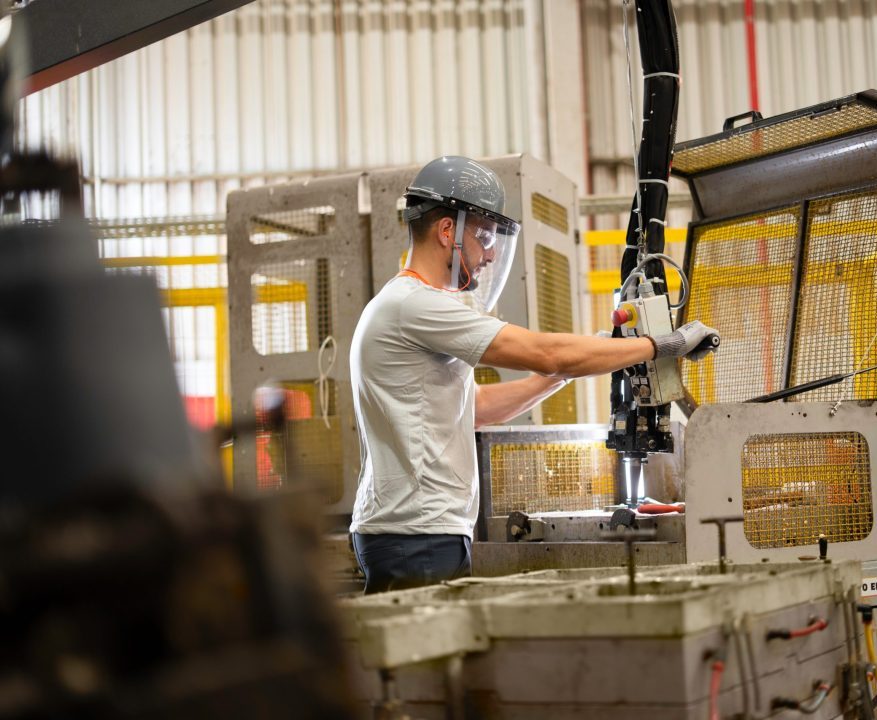
Currently, consumers increasingly demand more speed and efficiency in the delivery of products and services. Therefore, the food industry in 2021 will need to implement automated processes to meet growing demand and satisfy its customers.
Technological innovations involve the use of sensors and software to connect companies’ machinery, as well as systems capable of detecting operational failures before they occur.
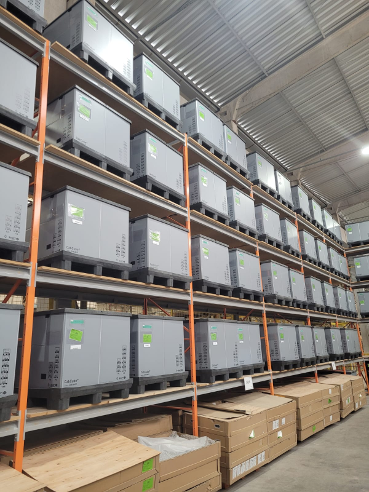
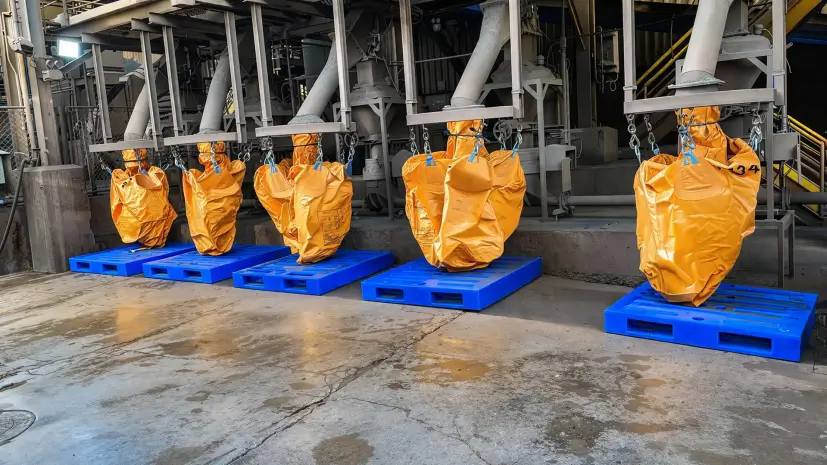
The automation of logistics processes enables the use of resources capable of increasing logistics efficiency, such as pallet cranes. These automated systems make it possible to increase storage capacity, reduce errors and increase productivity in the movement and storage processes.
Traceability in the food industry in 2021
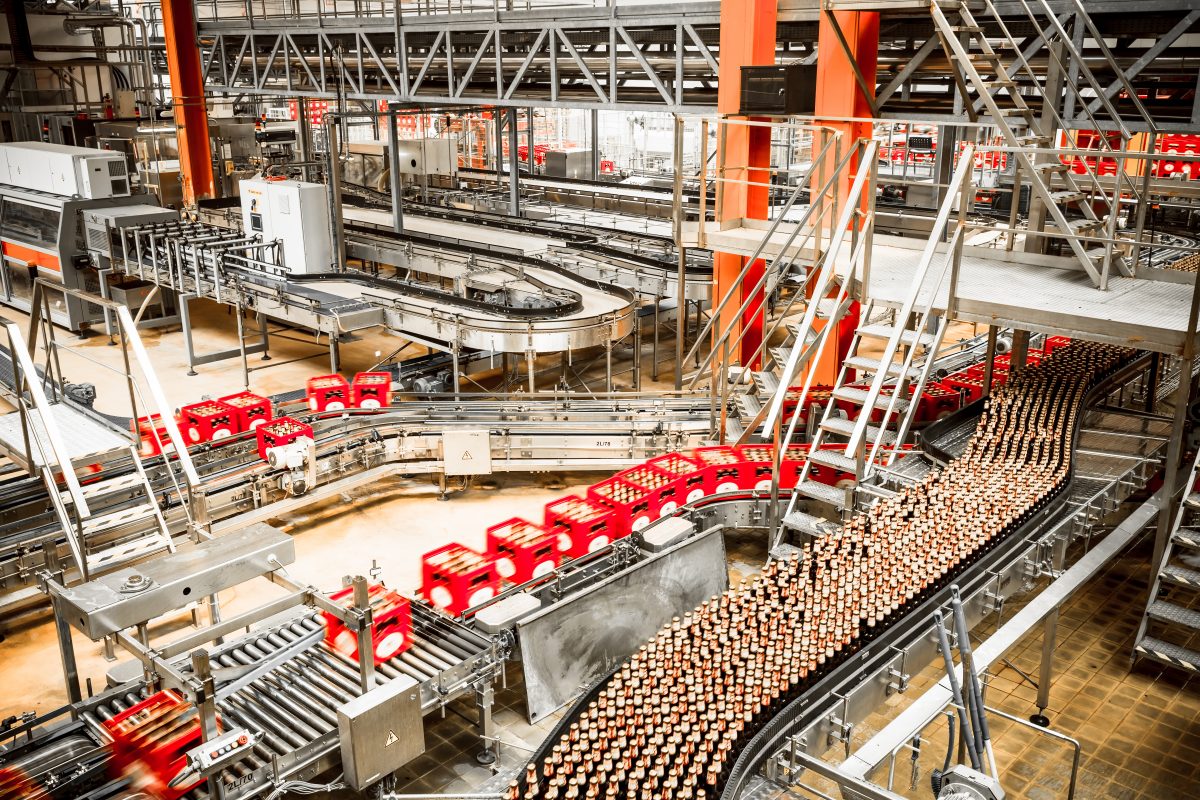
Another current trend in the food industry is traceability. It brings more security to the consumer, as it guarantees the origin of the products and makes it possible to monitor a product from its production to its arrival at the final consumer. Furthermore, it allows you to track the products and inputs that will be used in food manufacturing, in order to increase the degree of reliability and safety.
Blockchain technology
Connected packaging and blockchain technology help you always have your products in sight and increase traceability. In this way, it guarantees greater safety for the food production, distribution and storage processes.
This is an informational layer that connects systems, processes and people. In this way, a shared environment is created, capable of recording the entire history of asset movements in a safe, auditable and fraud-proof manner.
Environmental sustainability
The search for sustainability has won over a large share of consumers. These people are even willing to pay more to be sure that a product is “green”. Much more than generating profit, this stance contributes to strengthening brands and integrating companies into society.
To adapt to this new reality, the food industry in 2021 needs to rethink the entire production chain, from the use of raw materials to the packaging of products. It must avoid contamination, observe good manufacturing practices, save water and use recyclable raw materials. Also think about recyclable and biodegradable packaging solutions.
Rational use of water
At a time of water scarcity and constant supply problems, new water reuse technologies are increasingly important.
The cisterns of rainwater capture allow you to store water for a multitude of uses, such as washing patios, sidewalks, garages, flushing toilets and watering plants.
Green logistics
Currently, the search for sustainability is an important competitive differentiator for companies. The concept of green logistics refers to the set of practices aimed at reducing the environmental impact of logistics activities. It involves the entire configuration of companies’ processes, structures, transportation, distribution and storage systems.
Among the practices involved are the reduction of carbon emissions, the reduction of air, soil, water and noise pollution, the use of alternative energies and the rational use of natural resources.
Better working conditions
Transporting and handling cargo can cause health problems and injuries such as RSI (Repetitive Strain Injury) for workers. The use of ergonomic pallets helps to avoid this problem, considerably reducing the occurrence of occupational diseases caused by the ergonomic factor.
Food security
Consumers are increasingly paying attention to the quality of products. To ensure food safety, the food industry in 2021 must adopt standard operational hygiene procedures, hazard analysis and identification of critical points.
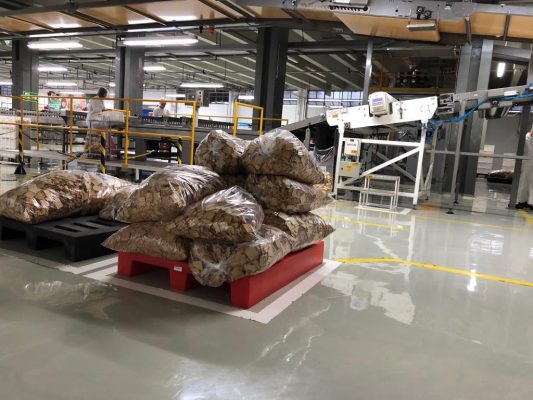
Food must be transported and stored appropriately to ensure hygiene and cleanliness. All food needs to be stored in a clean, organized place and protected from contamination. Furthermore, products must be identified and kept on pallets, pallets and/or shelves made of resistant and easy-to-clean material.
How plastic pallets help you overcome the challenges of the food industry in 2021
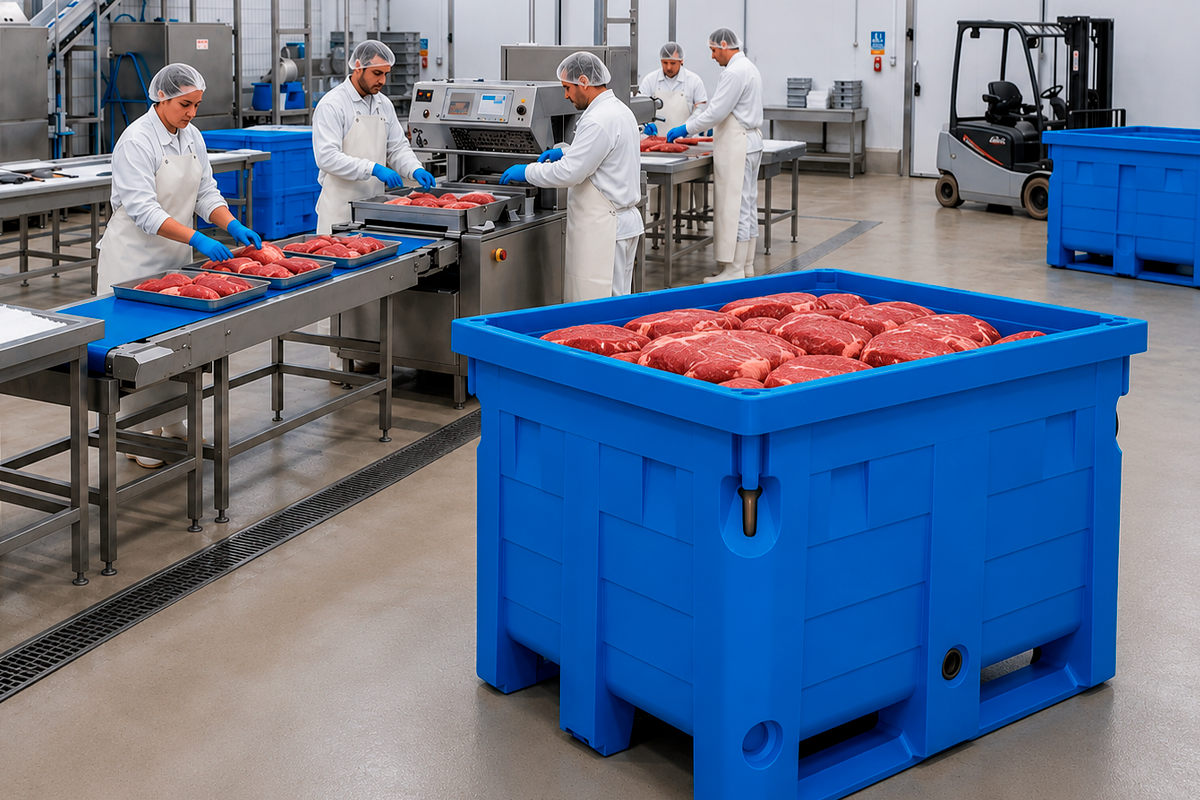
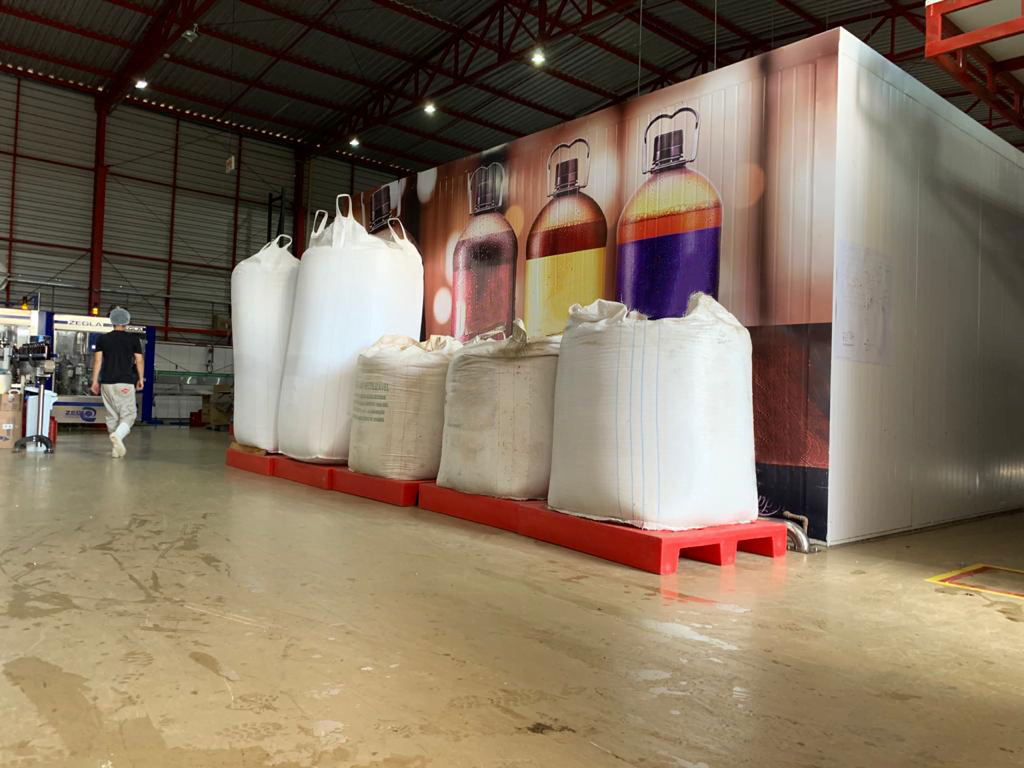
Due to its long useful life, the plastic pallet can be reused several times, as it is made of polyethyleneo and is completely recyclable. Therefore, it causes less environmental impact than wooden pallets.
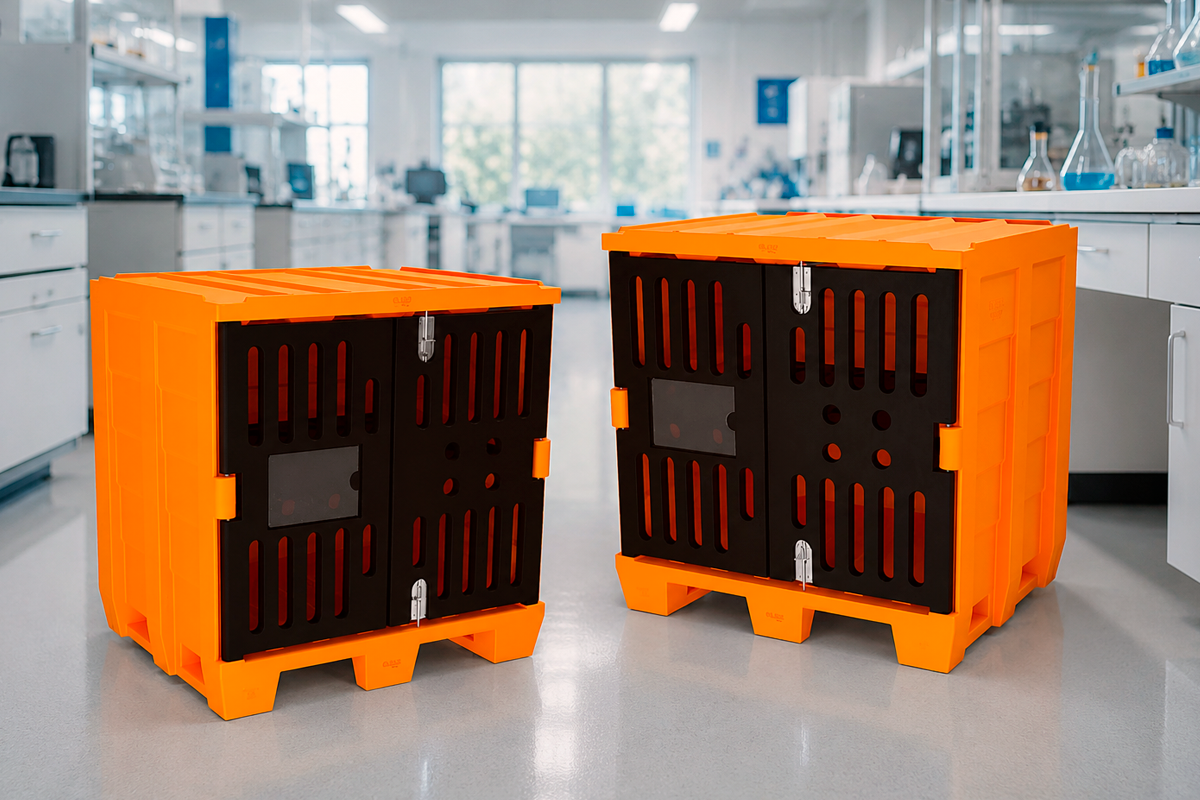
plastic pallets are also lightweight, 100% recyclable, non-toxic, resistant to chemicals and have a useful life of over 10 years. Furthermore, they are washable and easy to clean.
Tecnotri is also committed to developing sustainable products. The company’s solutions prevent contamination, observe good manufacturing practices, save water and are 100% recyclable, contributing to sustainability.
By having characteristics such as lightness, resistance and constant weight, these products also help to optimize logistics operations. Therefore, they enable greater rationalization and standardization of the storage location, better use of physical space and acceleration of processes.
The rotomolded plastic pallet also favors reverse logistics, as it has expressive identification of ownership. This feature can provide information for pallet management. Furthermore, it enables traceability using, for example, Radio Frequency Identification or RFID.
As we have seen, the use of new technologies, care for food safety, as well as environmental and social responsibility are some of the challenges facing the food industry in 2021.
Did you like this article? Do you want to know more about how it is possible to increase safety and efficiency in food industry processes? Clickaqui.