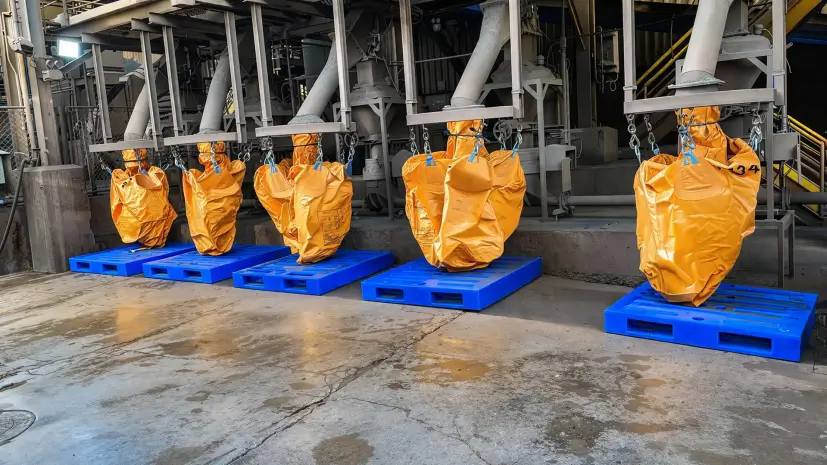


Among the pallet models most used by the industry, the polyurethane plastic pallet is one of the most common.
As with other items with relative popularity, this does not mean that the material is ideal, as the market already presents a series of more suitable and even more economically viable options.
Do you want to know more about the problems with using polyurethane plastic pallets and how to replace them? So check it out below.
The use of pallets in cargo transportation
The use of pallets, whether made of wood, plastic or other materials, is quite common when transporting cargo.
They can be disposable, if the purchase cost is much lower than the cost of the merchandise, or handling, when used for stock and transportation, in the case of companies that organize the transport of their cargo and are able to receive the pallets back for future shipments.
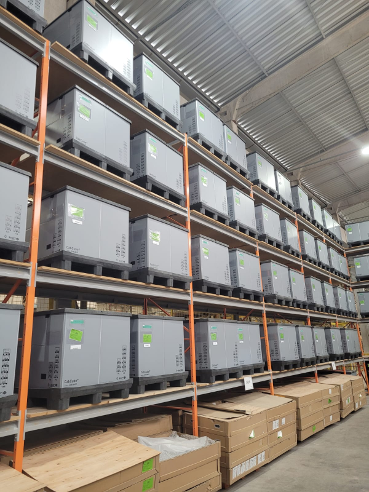
In addition to the ease and speed of the assembly and disassembly process, pallets are resistant and durable. Regarding the organization of products, the use of pallets guarantees more practicality and helps to save space.
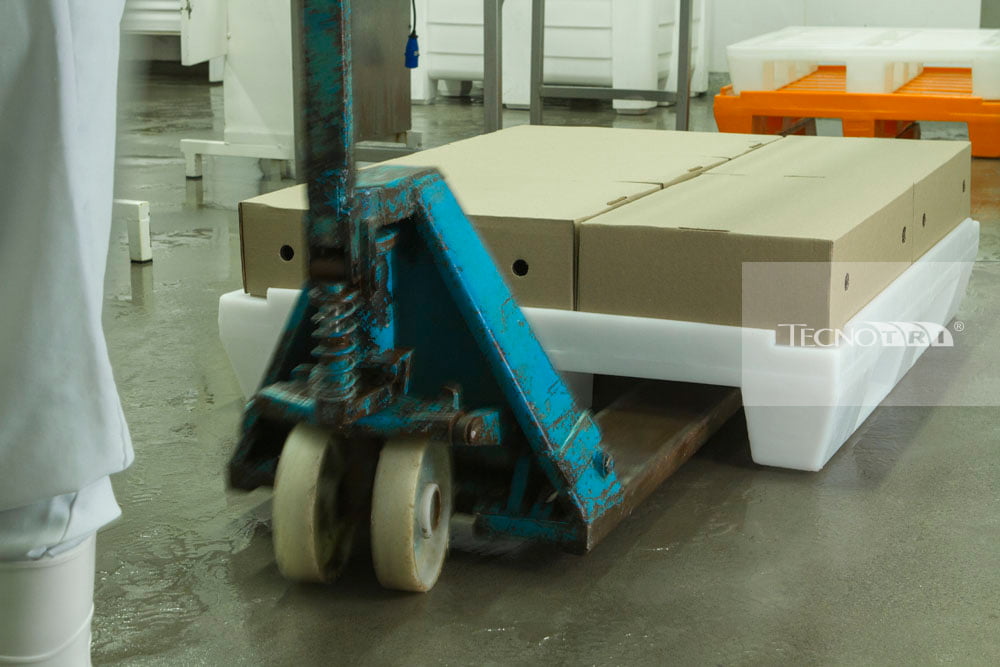
The operation, using forklifts, helps carry out the work and reduces the need for labor, saving time in the loading and unloading stage of goods.
This way, it is possible to rationalize storage spaces, reduce damage to products, make better use of vertical spaces and reduce costs per hour.
When compared to wooden pallets, we can see that those made of plastic are much more resistant and durable.
The harms of polyurethane plastic pallets
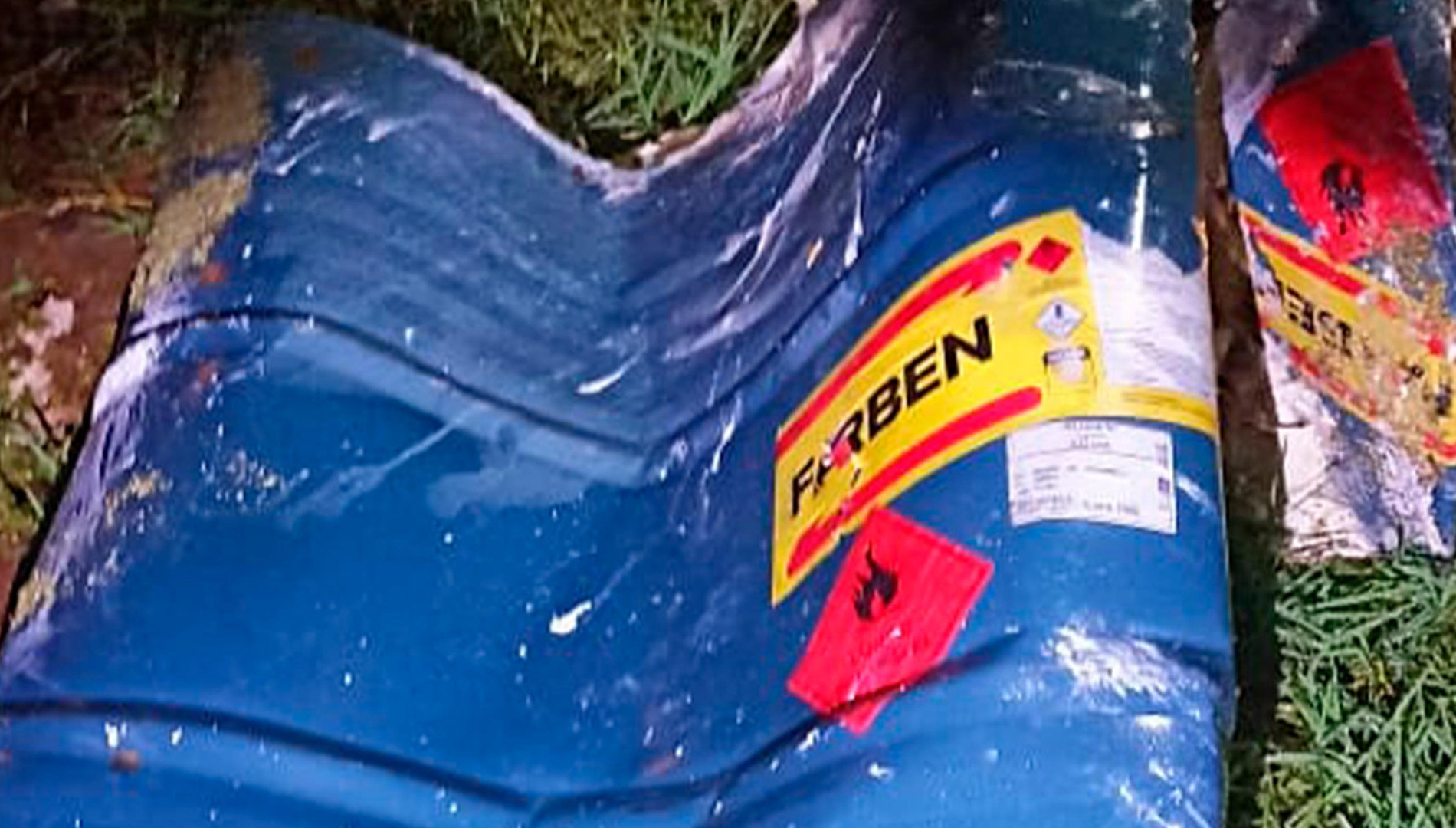
Polyurethane is basically a polymer derived from petroleum, a non-renewable source. Because it forms a solid material, which resembles foam, it is used in many products present in our daily lives.
Considering that there are isocyanates in its composition, which is a volatile substance at room temperature, the product can pose health risks to people who come into contact with it.
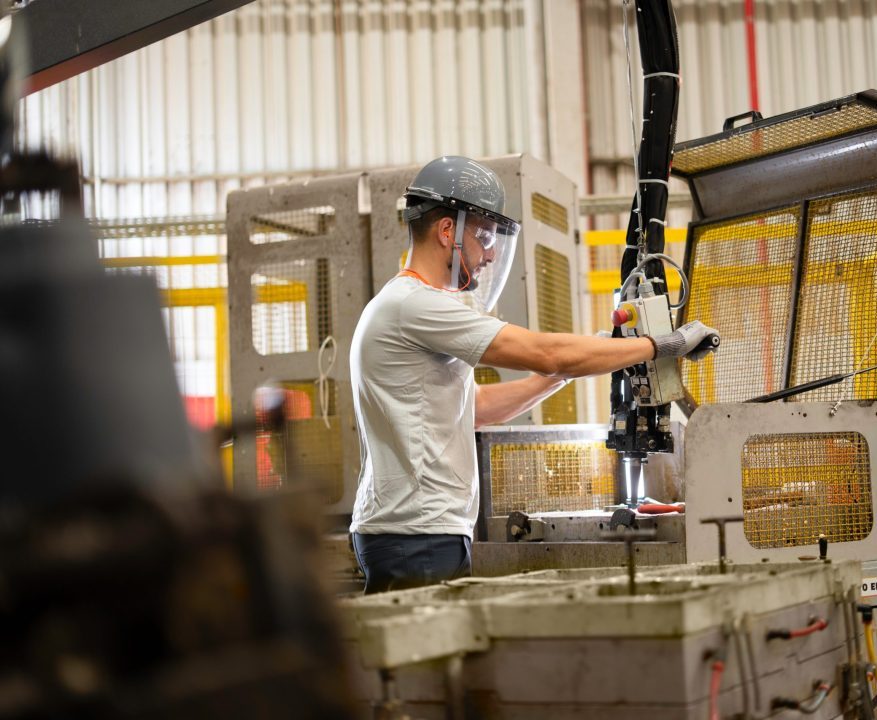
Factory workers are the most affected, as they deal directly with the material.
Nowadays, biopolymers already exist, but they can be up to three times more expensive than petroleum derivatives.
Non-renewable, these products have no specific destination and are a concern for entrepreneurs. As they are thermoset plastics, the remaining fragments cannot be melted and then melted again to be reused.
Mechanical recycling is one of the options in which industrial polyurethane waste is incorporated, in different proportions, into resins of the same material. When rigid, it can be ground and mixed with cement.
The processes are difficult, which means that many organizations choose not to recycle the product, consequently causing damage to the environment.
To dispose of it correctly, the ideal is to contact a recycling station.
The advantages of using rotomolded plastic pallets
Unlike polyurethane plastic pallets, rotomolded plastic pallets have specific characteristics.
Rotomolding is a versatile process, in which it is possible to produce new materials through the transformation of thermoplastics.
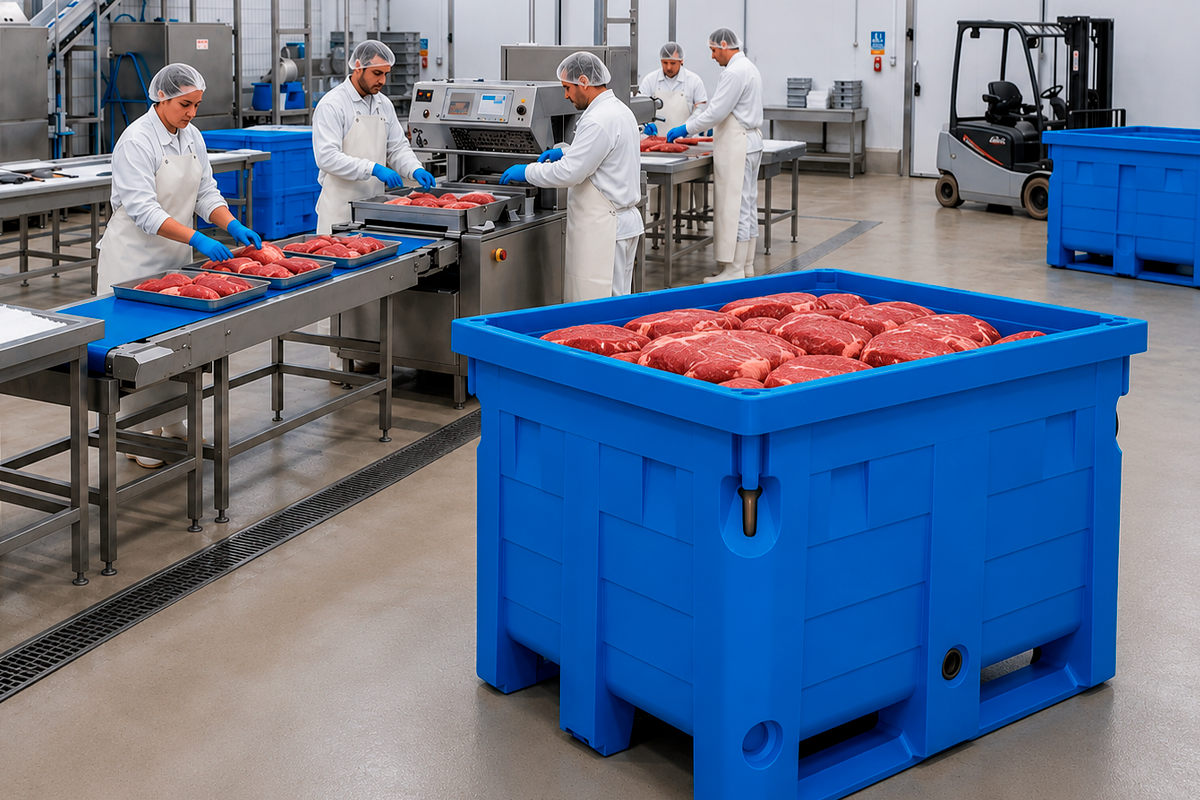
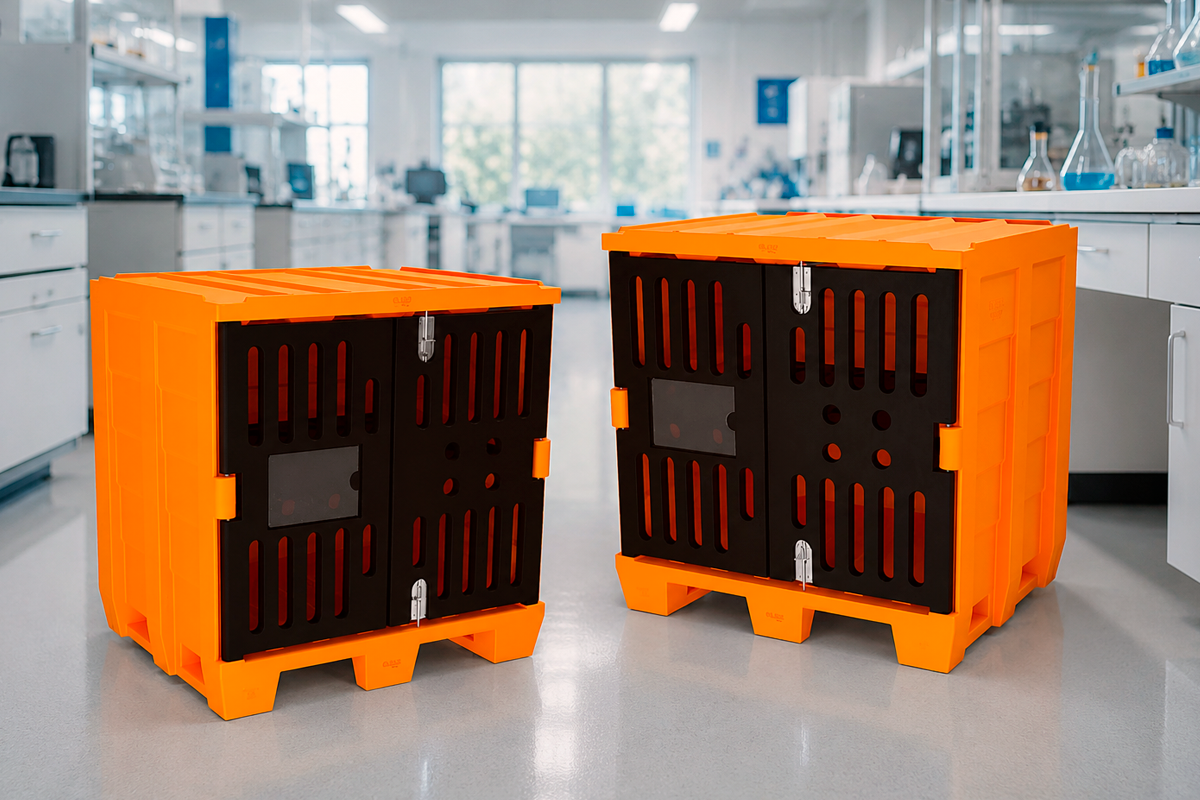
Through this process, the pallet can be developed specifically for certain highly critical operations, featuring customized dimensions, ergonomic designs, as well as ideal load and safety capacities for logistics flows.
In addition to receiving protection against ultraviolet radiation and antimicrobial additives, rotomolded pallets meet ANVISA Good Manufacturing Practice standards and guarantee a safe storage environment free from fungal or bacterial contamination.
Monoblocks and extremely light, the pieces are easy to clean and immune to chemical agents, even requiring no maintenance.
The resistance is combined with the adequate flexibility of the rotomolded plastic, so that operations are carried out more safely, without the risk of breakages or damage.
The product’s distinguishing feature is its durability and ability to store varied contents, both indoors and outdoors.
This type of pallet is also capable of withstanding extreme temperature variations (from -35 to 60 degrees Celsius), without changing its volume, weight, color or load capacity.
Complying with the ISO 14000 standard, it offers antimicrobial protection and can be considered non-toxic.
It is no surprise that rotomolded plastic pallets are considered an increasingly attractive alternative to pallets made with polyurethane.