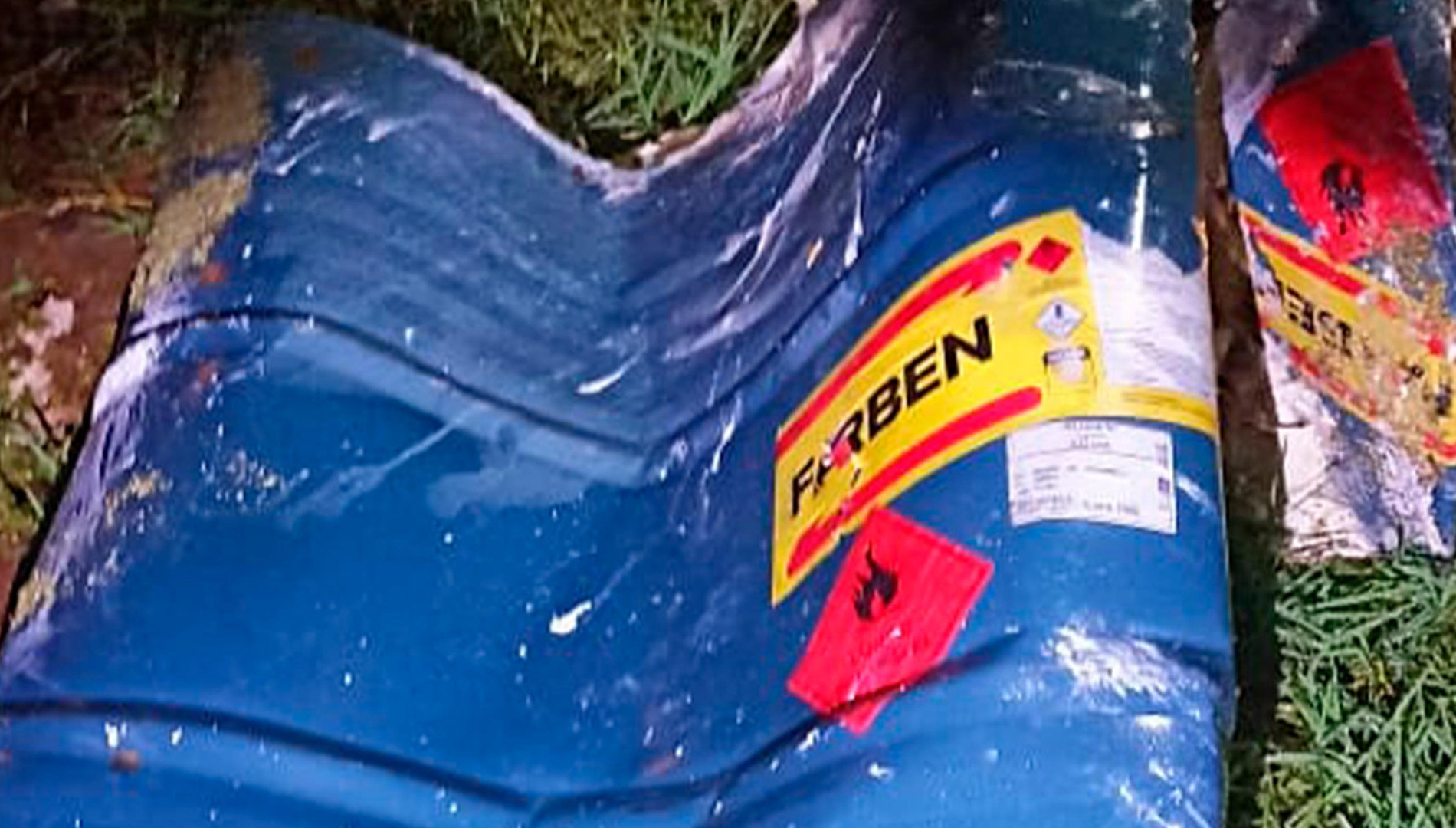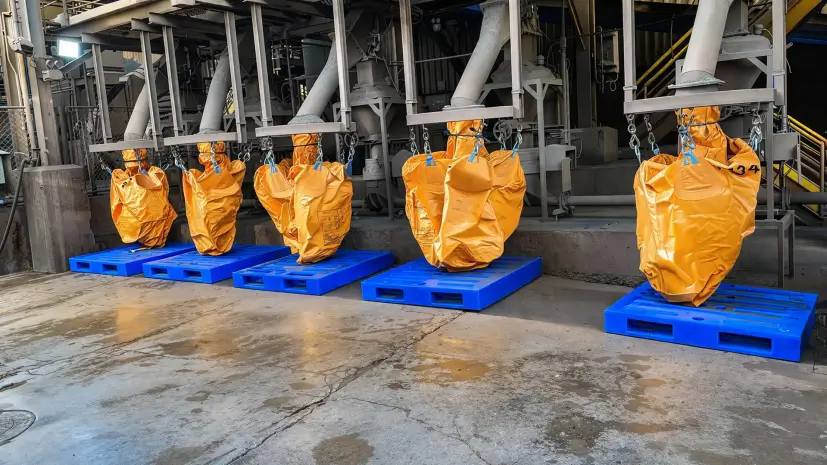


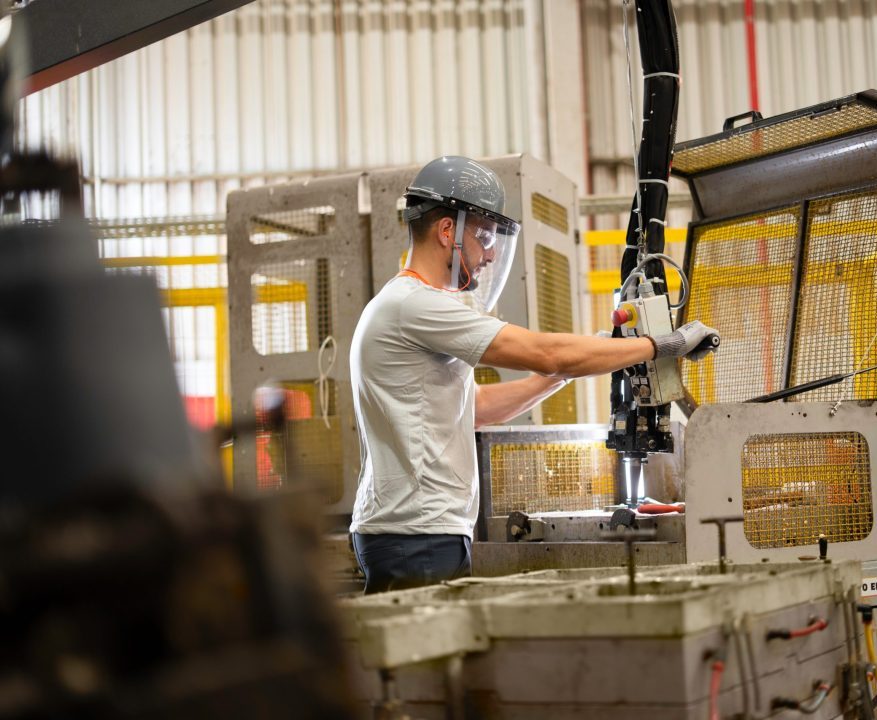
In recent years, the use of wooden pallets for transporting and storing food has become highly questioned, especially after some cases of poisoning received a lot of exposure in the media.
Food industries have a duty to ensure the quality and hygiene of their products. Ensuring food safety, in addition to being required by law, is a fundamental requirement for a company to remain competitive in the market.
But do you know why wooden pallets pose greater risks of contamination? What are the standards established by legislation for the transport and packaging of food? What is the most suitable material to replace wood? See below what are the main problems arising from the use of wooden pallets and find out how to avoid them.
Learn about the regulatory standards of the Ministry of Health
According to national legislation, all food industries are obliged to follow norms and standards that establish adequate hygienic and sanitary conditions for the handling and processing of food.
Therefore, the Ministry of Health instituted the use of Good Manufacturing Practices (GMP) as part of the tools for inspection of the food sector. The program introduces changes to production methods and use of equipment, buildings and facilities in the food sector.
Among the regulatory standards are Ordinance 1428 – MS of 11/26/93 – Food Sanitary Inspection; Ordinance 326 – SVS/MS of 07/30/1997 – Hygienic Sanitary and PF Conditions for Food Production/Industrializing Establishments; and Res. No. 23 of 03/15/00 – Manual of Basic Procedures for Registration and Exemption from the Mandatory Registration of Products Relevant to the Food Area.
See what the good practice program says about wooden pallets
One of the recommendations of the Ministry of Health program is precisely to avoid the use of wooden pallets. This is because, according to the regulatory body, it is practically impossible to properly clean and sanitize wood after contact with water.
To ensure hygiene and safety standards, pallets and shelves must always be clean, dry and in good condition. Furthermore, the stacking instructions must be strictly adhered to.
Understand why to avoid wooden pallets
As it is a porous and irregular material that stores water and food waste, wood presents a greater risk of contamination by fungi and bacteria. Another important aspect is that wood, being porous, is more difficult to wash and sanitize.
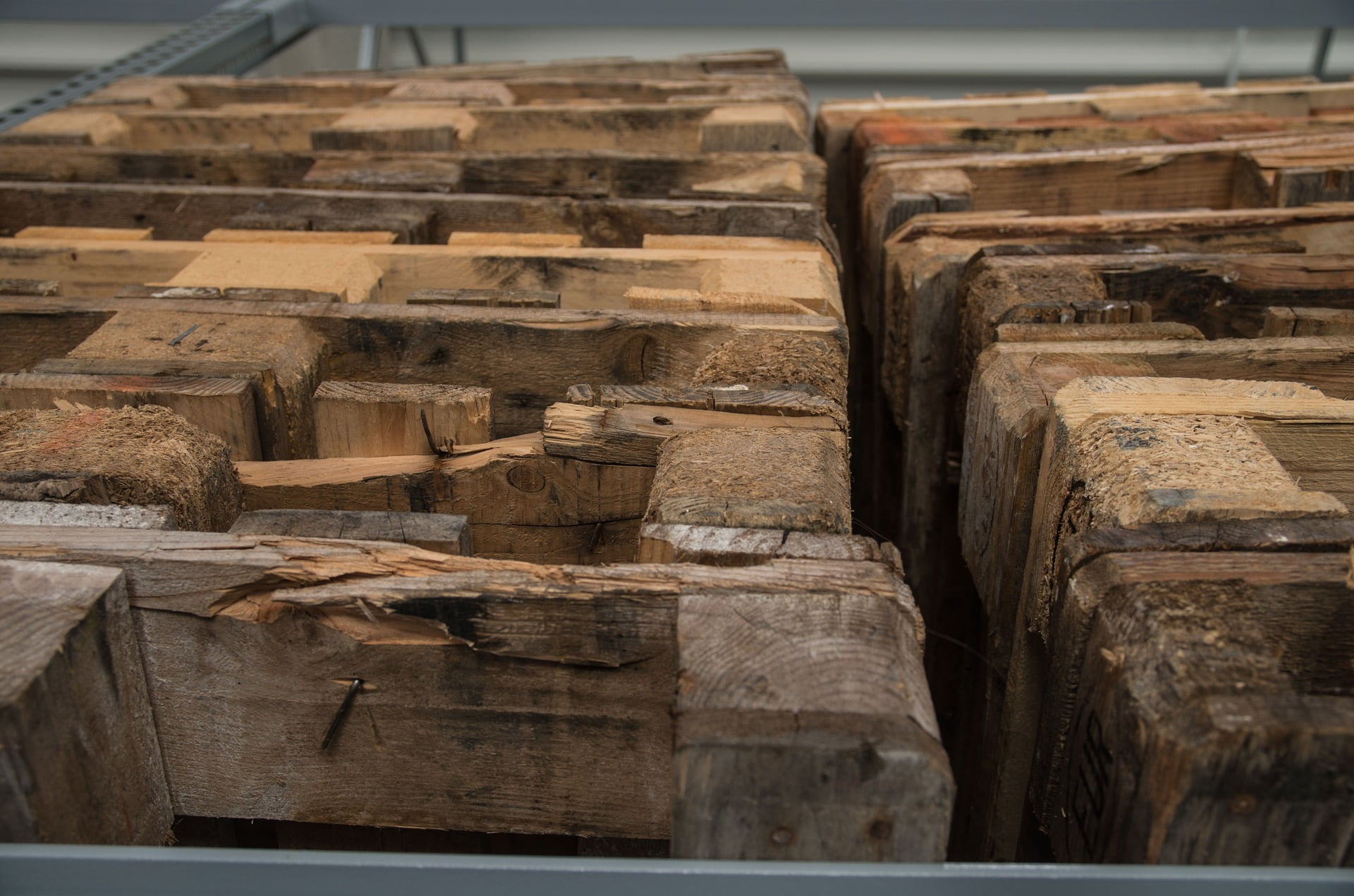
Furthermore, wooden pallets stored outdoors and exposed to rain present a greater risk of contamination. This is because, when wet, wood reaches the fiber saturation point, leaving contaminants more exposed on its surface.
Wood also has seams, splinters, nails and perforations, which can harbor fungi, bacteria and other contaminants, in addition to posing greater risks of accidents.
Learn how to reduce contamination risks
The Ministry of Health determines that pallets with raw materials or packaging are kept at least 50cm away from the walls, to avoid humidity and facilitate cleaning, sampling, movement, pest control and actions in case of fire.
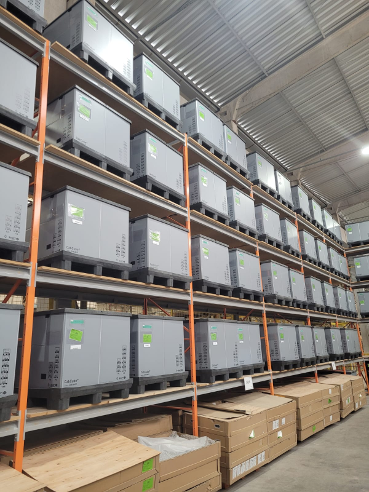
Furthermore, pallets must be stored 30 cm apart and 20 cm from the floor. Damaged, incomplete or disused pallets, boxes and materials must be removed from storage areas.
Learn about the rules established by Anvisa
The National Health Surveillance Agency (Anvisa) also determines that raw materials and packaging be stored on pallets, pallets and/or shelves, respecting the minimum spacing necessary to ensure adequate ventilation, cleaning and, when applicable, disinfection of the location.
Furthermore, according to the regulatory agency, pallets, platforms and shelves must be made of smooth, resistant, waterproof and washable material – characteristics presented only by plastic pallets.
[button text=”See how Plastic Pallets are replacing wooden ones” letter_case=”lowercase” style=”shade” icon=”icon-angle-right” link=”https://tecnotri.com.br/pallet-plastico-substitui-pallet-madeira/” target=”_blank”]
See the best alternatives to replace wooden pallets
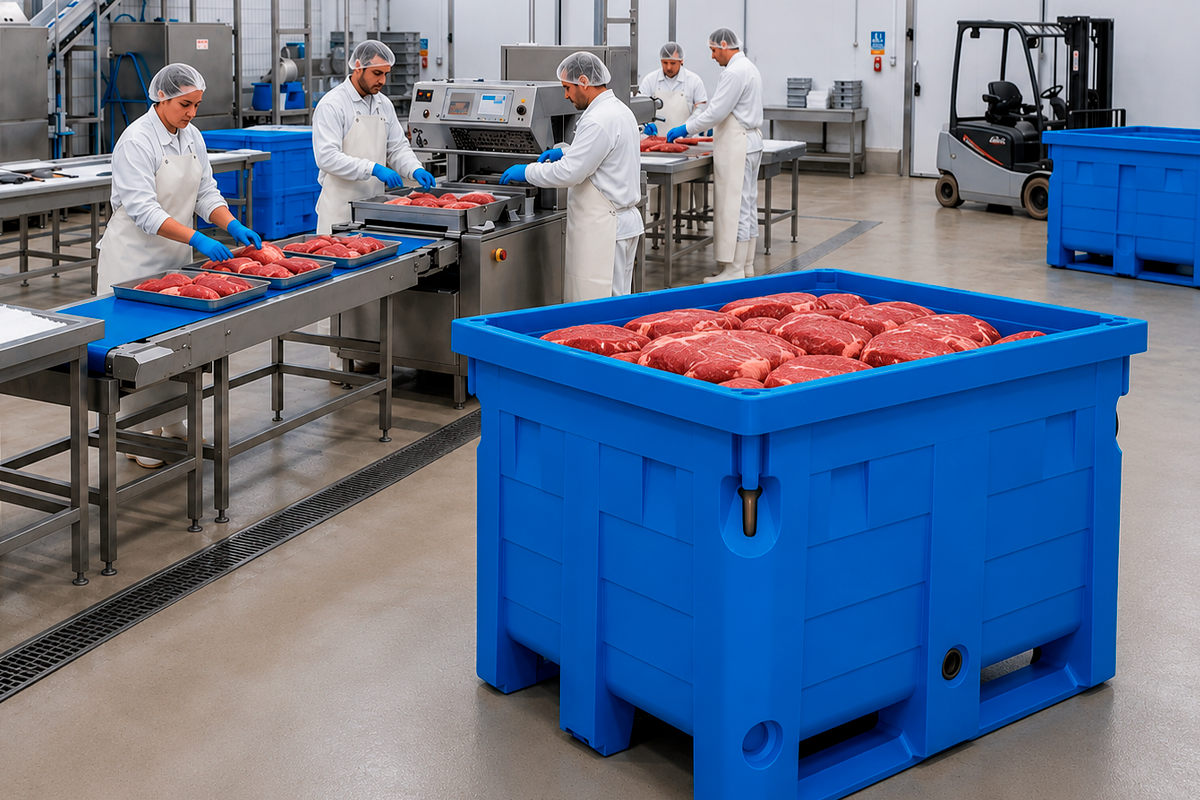
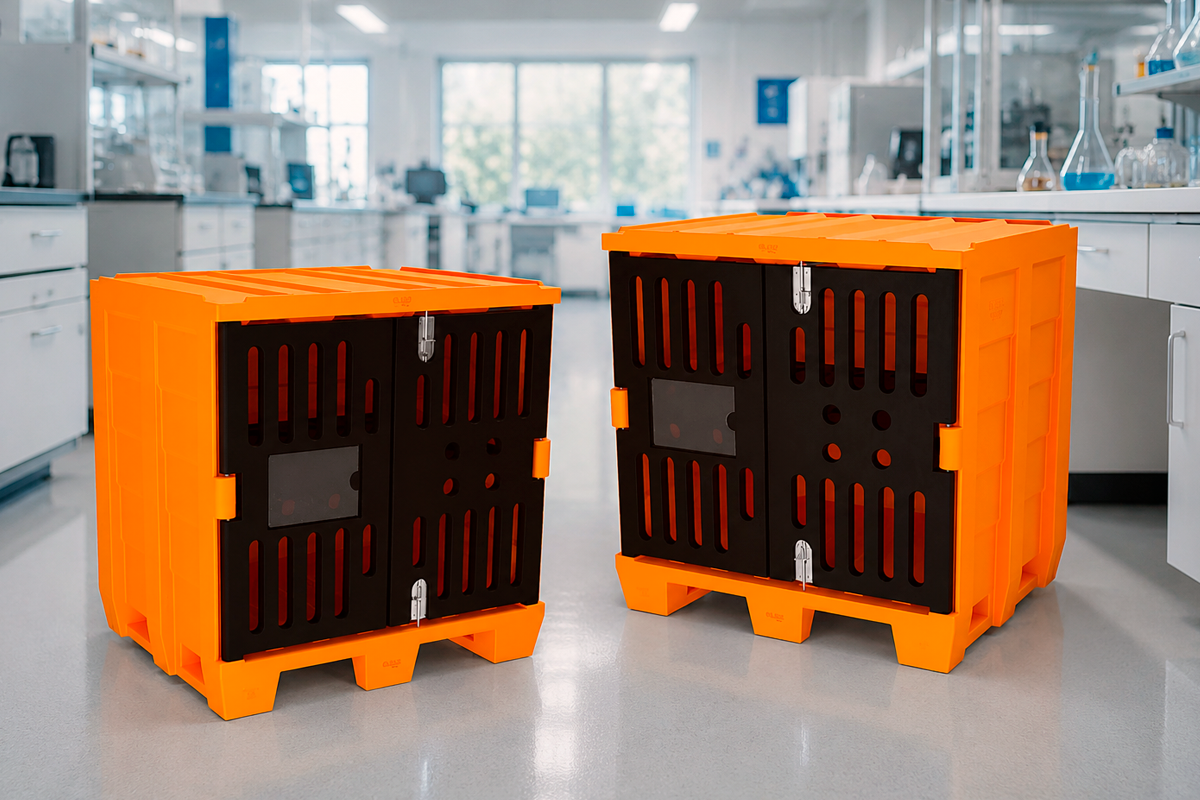
With the growing regulatory emphasis on food safety, rotomolded plastic pallets prove to be a much safer and more hygienic solution for transporting and storing food. Made from non-porous, seamless and splinters-free material, they receive antimicrobial protection, which prevents the proliferation of fungi and bacteria.
Have a custom-made pallet for your business

Unlike wooden pallets, plastic pallets can be washed under running water and sanitized, thus helping to avoid contamination and meet sanitary requirements.
Furthermore, plastic is resistant to both low and high temperatures and offers a much longer lifespan than wood, which requires constant replacement.
Due to characteristics such as being lighter, having a longer useful life, not requiring maintenance and being sanitizeable, the plastic pallet allows for a cost of up to 75% lower than that of wooden pallets.
Furthermore, the rotomolded plastic pallet has protection against UV rays, class 8, the same as water tanks. Therefore, the product can be kept outdoors without changing its weight characteristics, as they are immune to external agents.
As we have seen, rotomolded plastic pallets are much more suitable for use in the food industry than wooden pallets, as they have characteristics that promote hygiene and food safety. And the multiple advantages of plastic in relation to wood have led to this material being adopted not only in the food sector, but in industry in general.
Did you like this article? Did you understand the advantages of plastic pallets over wooden pallets? To learn more about the subject, access this e-book with a comparison between the two:
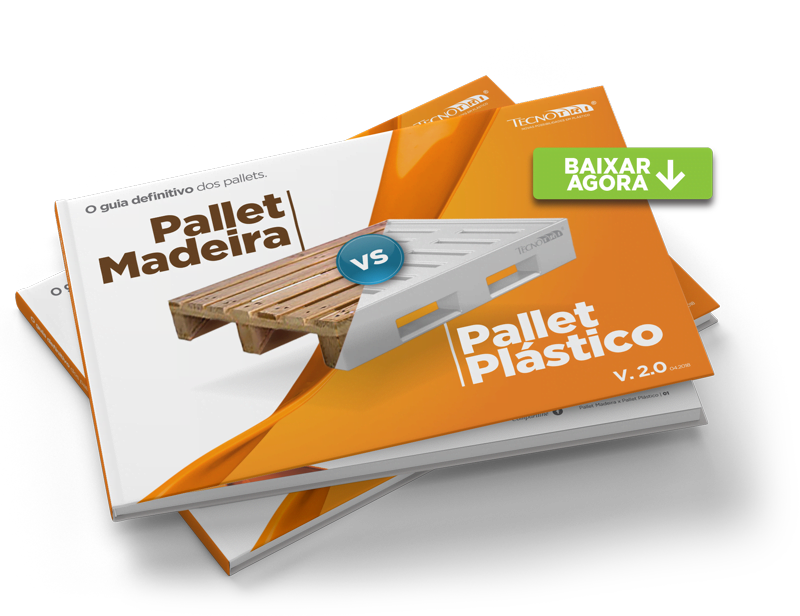
Discover all the characteristics of plastic and wooden pallets and find out what their main differences are
[button text=”Download Guide” style=”primary” size=”medium” link=”https://conteudo.tecnotri.com.br/guia-pallet-plastico-pallet-madeira”]