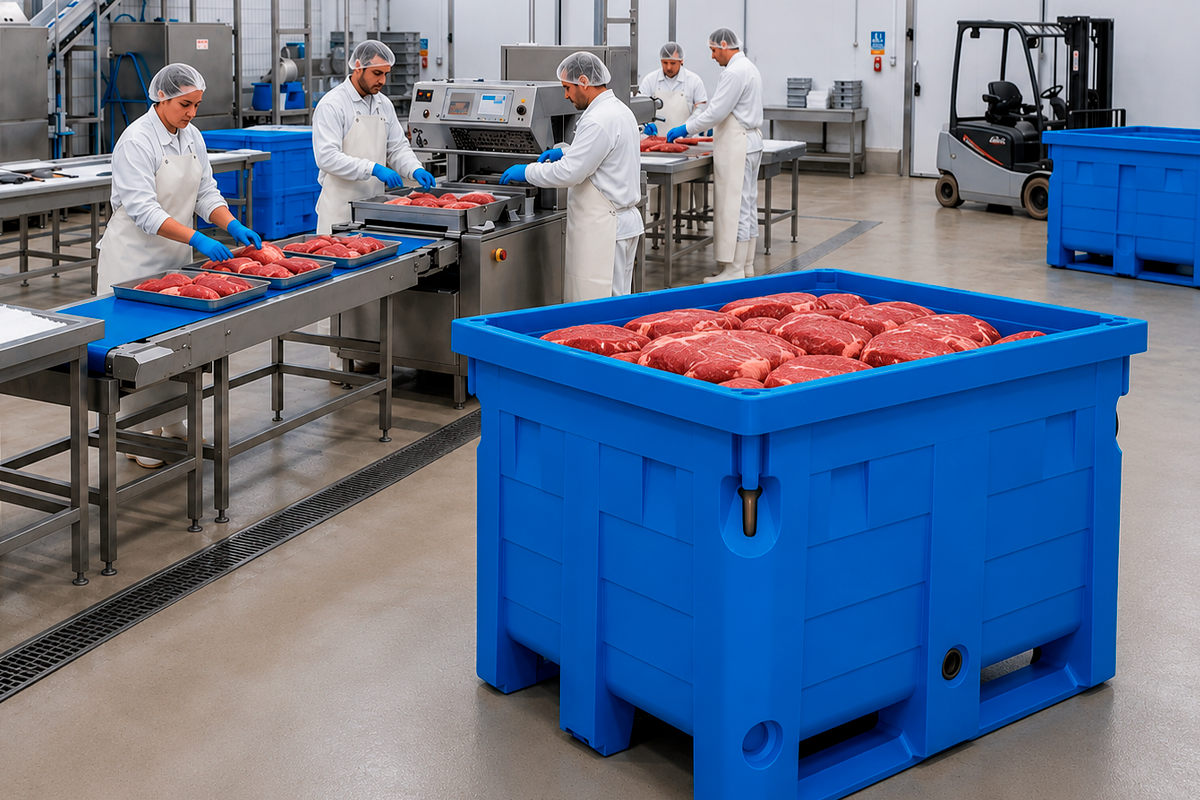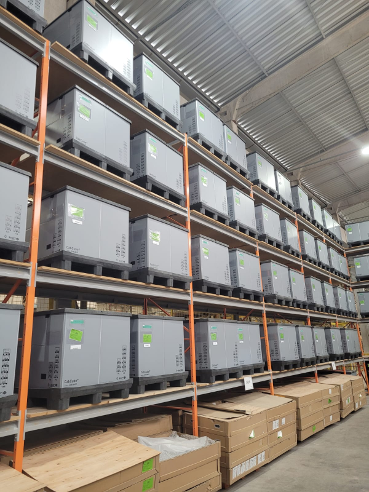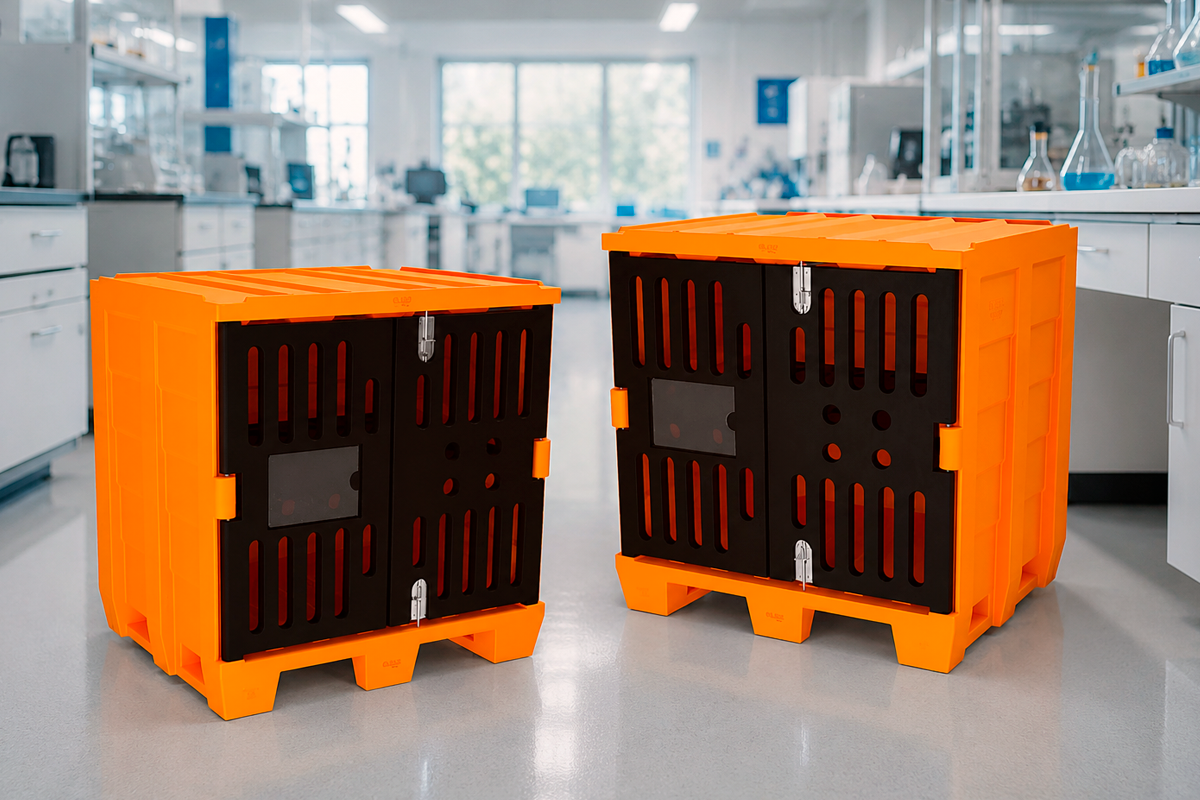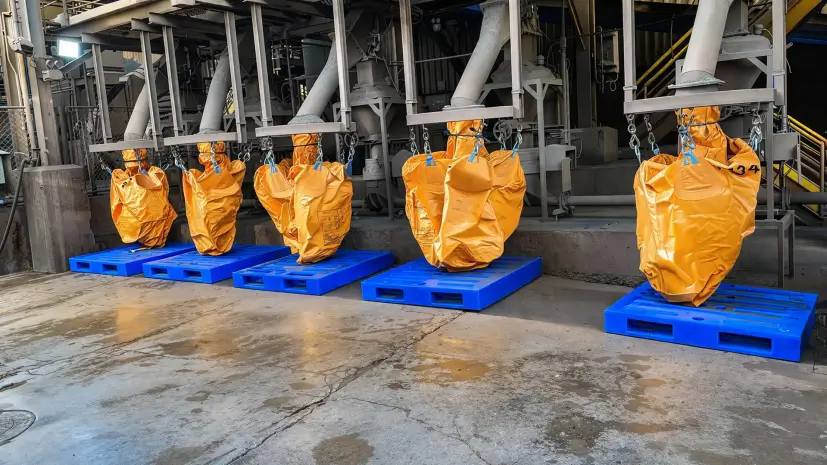


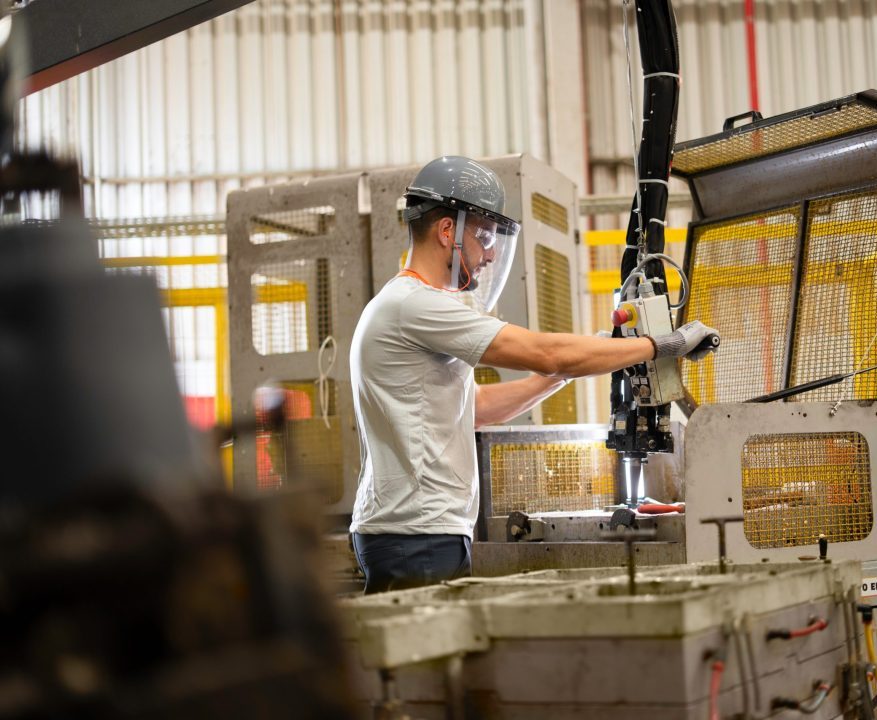
Currently, rotomolded plastic pallets are already widely used internally in many industrial sectors, such as food and pharmaceuticals, as they meet health standards and guarantee the hygiene and safety of products.
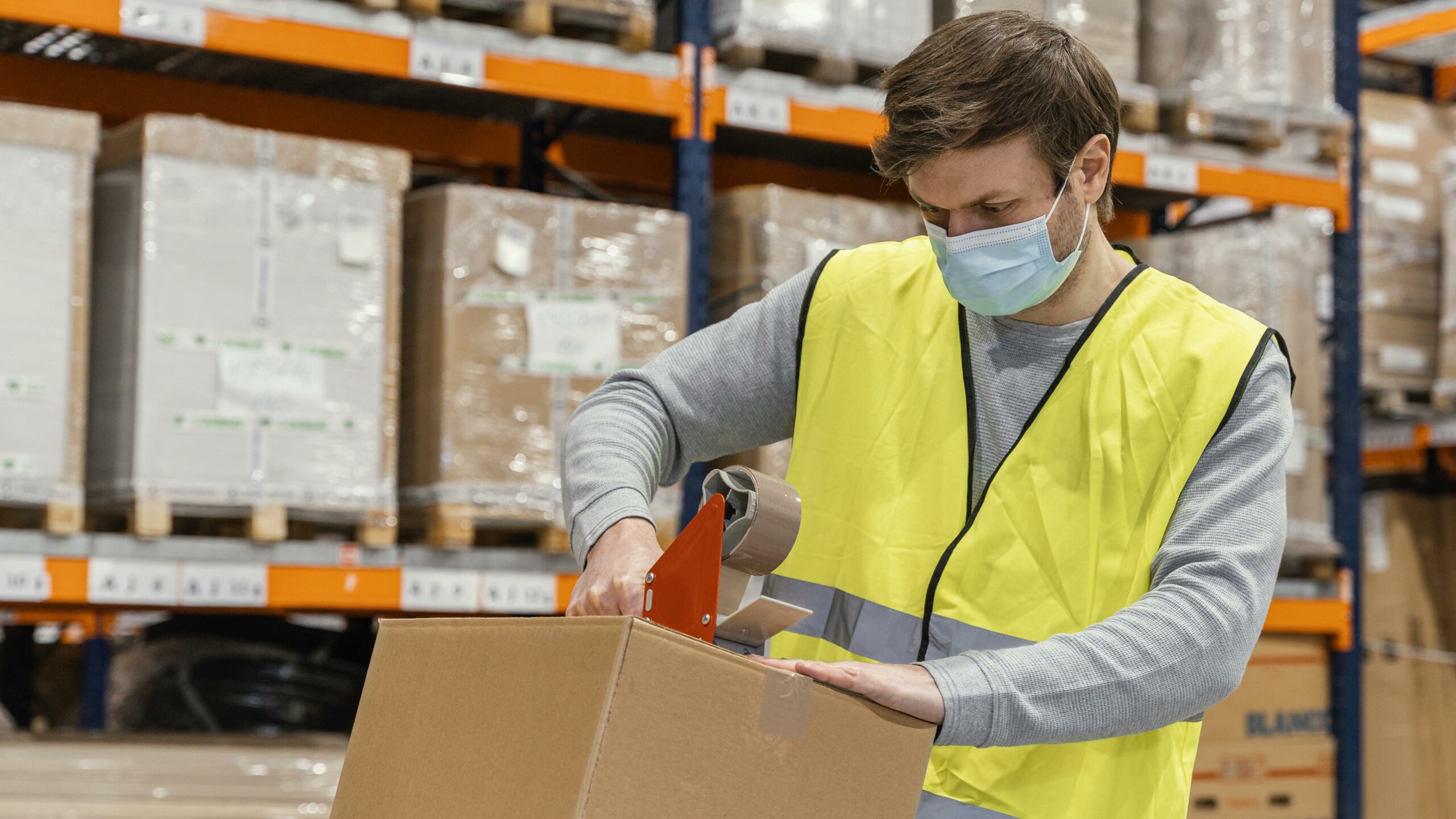
However, many packaging companies that are suppliers to these industries still do not use plastic pallets, but rather outdated wooden pallets, which make hygiene and sanitization difficult.
Therefore, the recommended safety and hygiene precautions must be observed not only by industries, but also by their suppliers and partners. After all, contamination can occur at all stages of the process – even before the packaging and raw materials reach the industry.
The use of suitable pallets is essential, especially because some safety standards, such as BRC, require the use of plastic pallets for both internal and external company processes. Therefore, the standard covers everything from packaging suppliers to retail chains.
In this article, we will show the advantages of using rotomolded plastic pallets throughout the production process.
Understand the importance of using suitable pallets
Working with food and pharmaceutical products involves many risks. To limit the risk of contamination by viruses and bacteria, the industry and its suppliers need to observe strict hygiene standards.
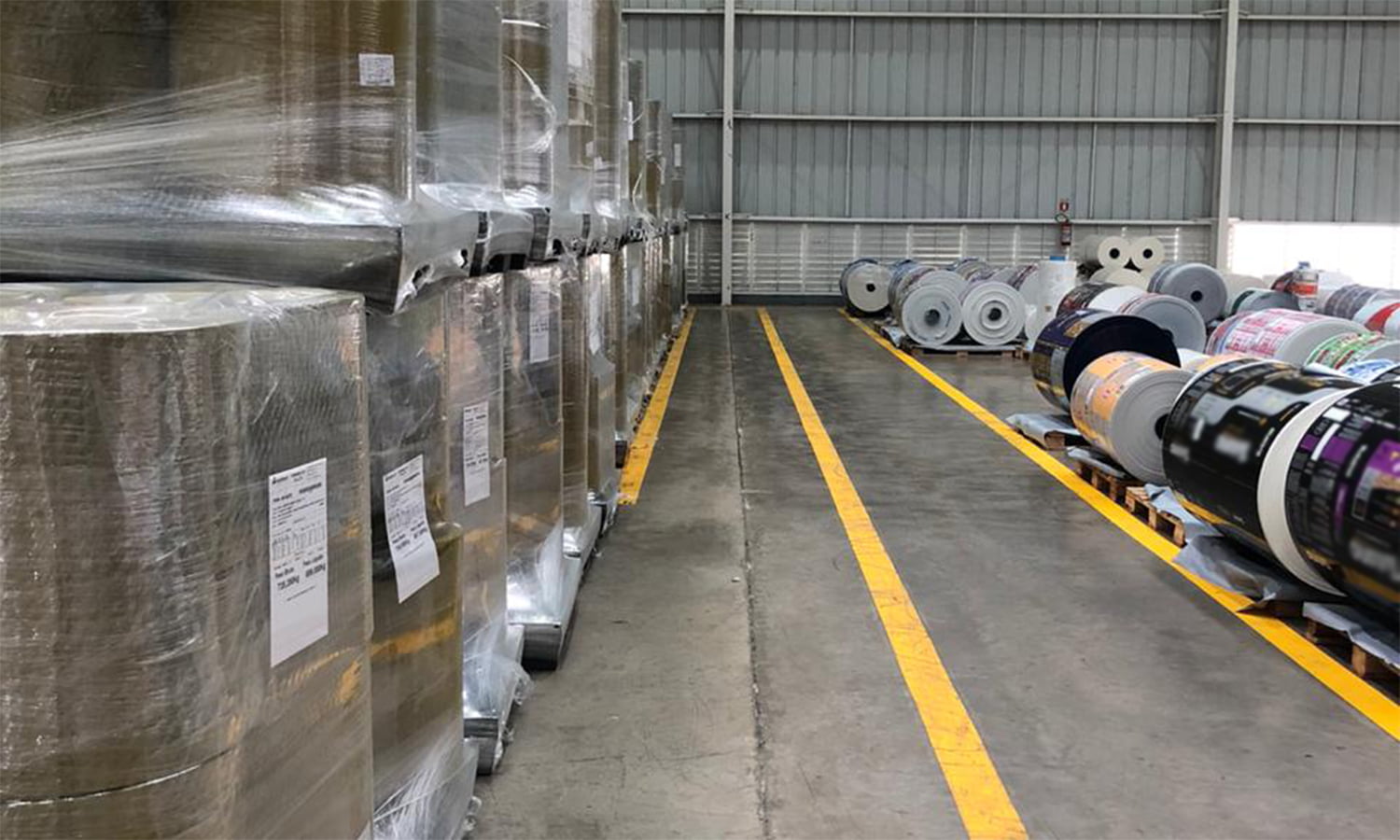
Therefore, it is better to use plastic pallets than wooden pallets when transporting and storing these products. This is because the wooden pallets on which packaging, ingredients and raw materials are still frequently transported can have splinters and cavities or hidden corners where dust and moisture can accumulate. Furthermore, sharp nails or tips can also cause damage to the product. Fortunately, there is a safer alternative: plastic pallets.
In many industries, such as food and medicine, the use of wooden pallets is not allowed inside the factory. This means that raw materials, ingredients or packaging materials delivered on wooden pallets must then be transferred to plastic pallets. This requires more time and labor, and also increases the risk of damage and contamination.

Know the requirements of the BRC standard
The BRC (British Retail Consortium) is a global standard for food safety. It is demanded by customers around the world, especially when it comes to food safety.
The BRC aims to ensure the food safety of products and packaging, from suppliers to retail chains. The standard was created to establish high standardization for companies and commerce networks, in order to reduce risks and increase process security. Therefore, it establishes rules for both internal processes and dealing with suppliers and customers.
According to the BRC, wood should not be used in areas where products are stored, except where this raw material is a process requirement (for example, in the maturation of wood products). However, even where the use of wood cannot be avoided, there must be continuous monitoring of the condition of this material to ensure that it is in good condition, free from damage and contamination.
Advantages of using rotomolded plastic pallets
Characteristics such as durability, safety, hygiene, resistance and sustainability make the use of these products recommended throughout the production process.
Unlike wooden pallets, which store fungi, bacteria and other contaminants, plastic pallets are not porous and do not absorb moisture, which helps prevent contamination.
Its smooth, waterproof surface allows the application of cleaning agents and disinfectants. This prevents the proliferation of microorganisms and bacteria, which can compromise the quality of food.
These products may also contain antimicrobial protection, which prevents the proliferation of fungi and bacteria and allows direct contact with food. Furthermore, they are non-toxic, resistant to chemicals and do not absorb moisture, which prevents product contamination.
Another advantage is that its pieces have a monobloc structure, without seams, nails or welds. Therefore, its finish is uniform, with rounded corners, without edges or contamination points. All of this helps to avoid accidents and brings greater safety to operations.
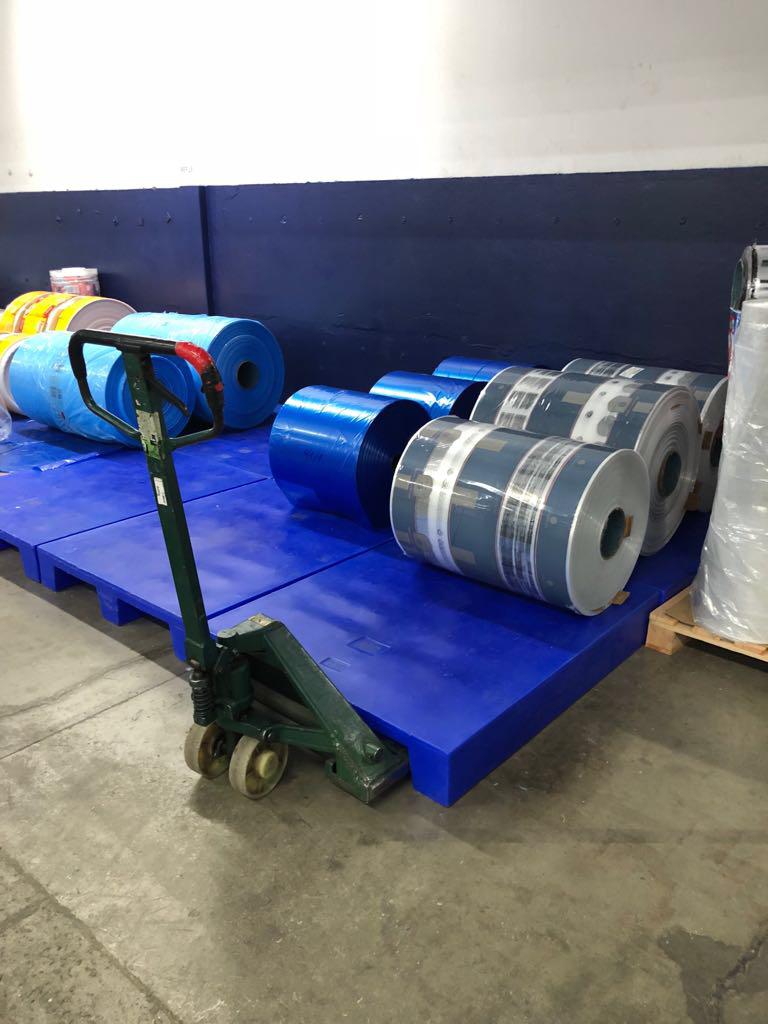
Main advantages of Super Roto pallets:
- Free from fungi and bacteria
- Resistant to temperatures from -35ºC to 60ºC
- Versatility of use and application
- Easy to sanitize
- 100% recyclable
- 10 years warranty
- Produced in accordance with Good Manufacturing Practices (GMP) and ISO 22,000 certification
As we have seen, rotomolded plastic pallets are the most suitable for use in industry, as they promote hygiene and safety conditions and comply with standards such as BRC.
Did you like this article? Do you want to know more about the advantages of using plastic pallets in industry?