

NR 36 is the Regulatory Standard that establishes occupational health and safety rules in slaughterhouses, focusing on ergonomics, accident prevention, medical control and equipment adequacy. It is important because it reduces occupational risks, such as illnesses caused by intense cold, repetitive movements and the use of sharp tools, ensuring protection for workers and legal compliance for companies.
Keeping employees safe is the duty of every company. To achieve this, it is necessary to pay attention to educational measures, as well as carry out training so that employees know how to protect themselves against workplace accidents and occupational diseases.
In this context, the regulatory norms come into play, which aim to bring greater security and effectiveness to industries in all segments.
In the meatpacking sector, NR 36, mentioned above, is one of the main rules that must be complied with by organizations, in order to ensure the protection of workers and customers, and avoid fines and legal proceedings. Read on and learn more about NR 36 and its relationship with the refrigeration industry.
What is NR 36?
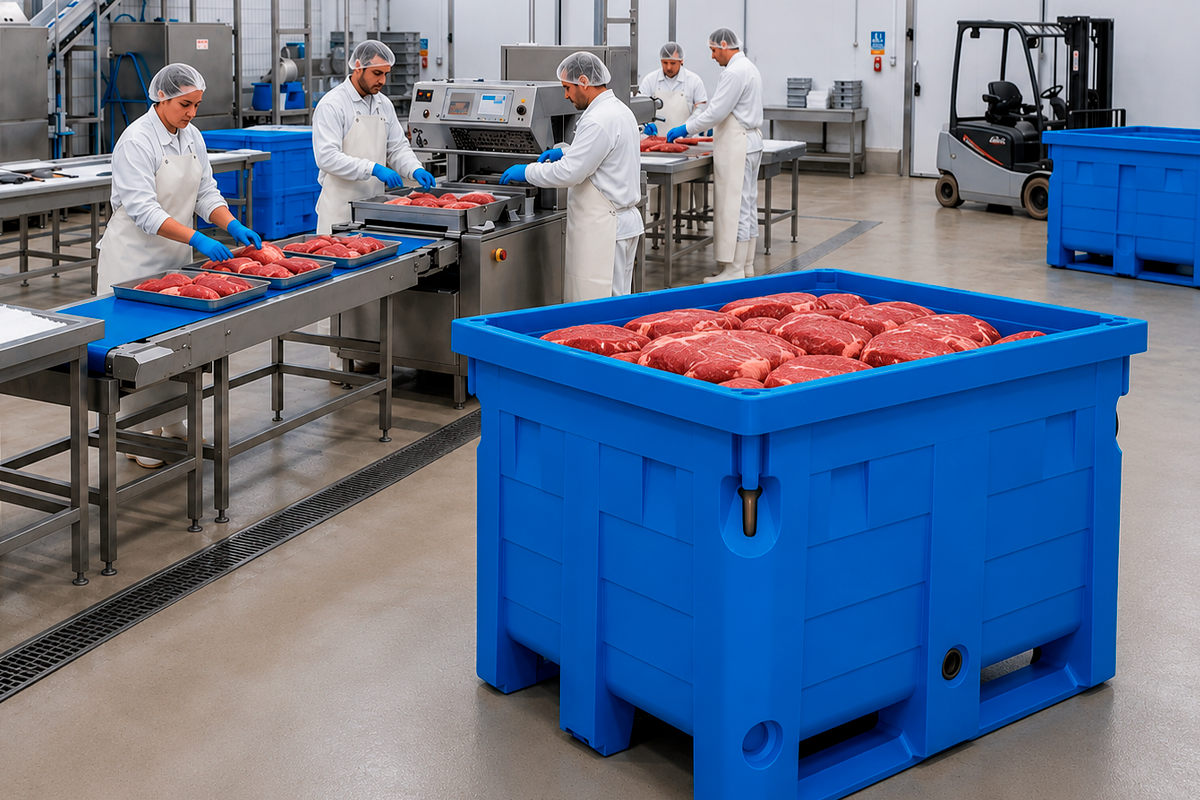
NR 36 concerns safety and health at work, especially in companies that work with the slaughter and processing of meat and meat products. This standard aims to control and monitor the risks that exist in functions related to the meatpacking sector, to guarantee the quality of life at work.
Why is NR 36 important for safety in slaughterhouses?
The refrigerator environment poses several risks to the health of employees. NR 36 comes into action precisely to prevent existing dangers in the workspace, with the aim of ensuring the protection of people.
Your requests cover all stages of the company, such as environmental conditions, medical control, product handling, adaptation of machines and equipment, working hours, among others.
Main existing risks and occupational diseases in slaughterhouses
In the meatpacking industry, workers are exposed to different risks. The main one is the cold, which can cause several problems to the employee’s health. As well, low temperature can cause numbness in the body, skin ulcerations and hypoxia.
Another problem is the existence of dangerous tools, in addition to infections related to the presence of biological agents. There are also situations in which occupational diseases can occur, such as RSI/WMSD, due to the number of repetitive movements performed in a short space of time.
Good practices to comply with NR 36 and ensure protection for employees in slaughterhouses
To follow the rules of NR 36, the company must pay attention to the adequacy of the following aspects:
- Decks, walkways and platforms;
- Furniture and workstations;
- Product handling;
- Lifting and transporting goods;
- Reception and unloading of animals;
- Temporal organization of work;
- Equipment and machines;
- Environmental risk prevention programs;
- Occupational health medical control.
Workstations and equipment used by employees must promote ergonomics, a factor that involves NR 17, a standard that is directly related to NR 36, since good posture, visualization and operation influence the worker’s quality of life.
Equipment that helps adapt to NR 36 in refrigerators
Among the main equipment are:
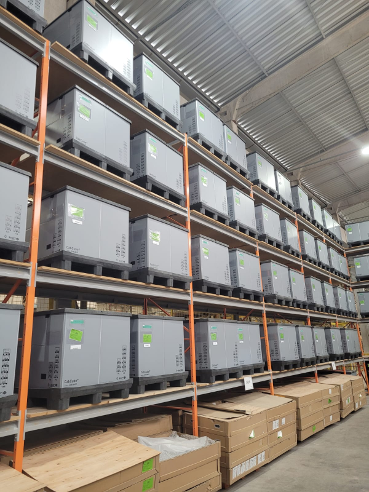
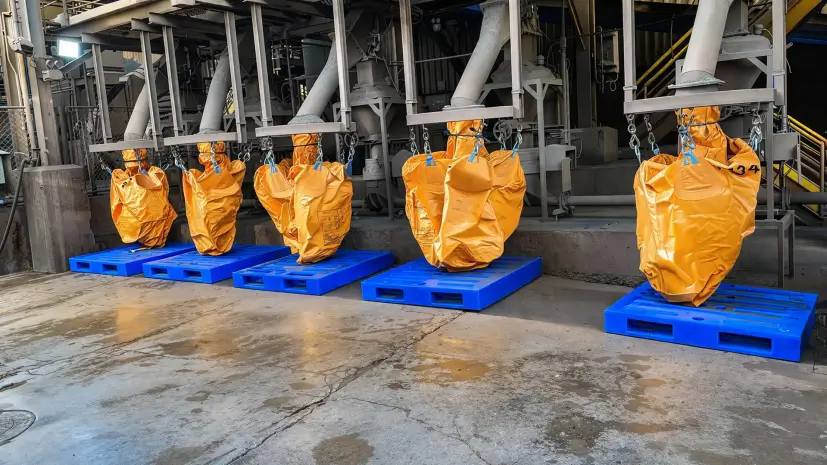
- Rotomolded pallets: guarantee ergonomic load handling and better hygiene;
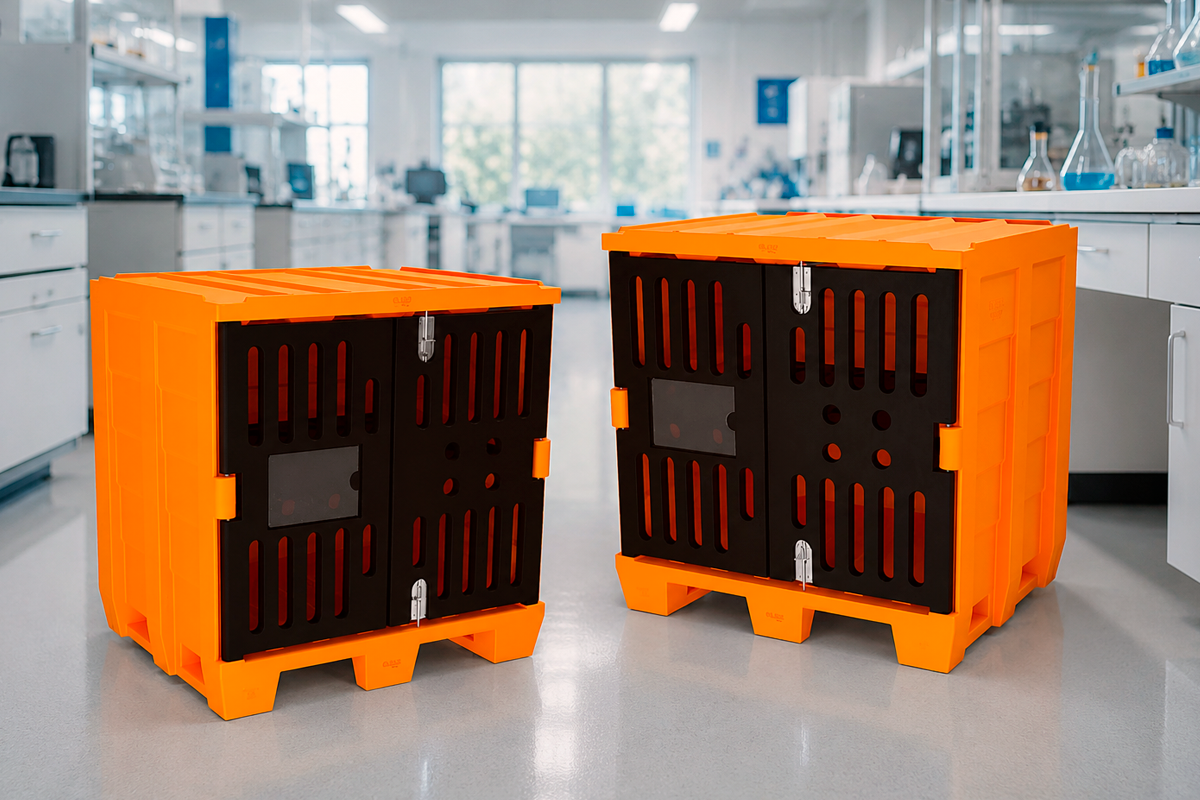
- Ergonomic containers: reduce repetitive efforts and facilitate the movement of goods;
- Non-slip platforms and platforms: increase safety and prevent accidents in wet areas;
- Adjustable furniture: favors the correct posture of workers during processing;
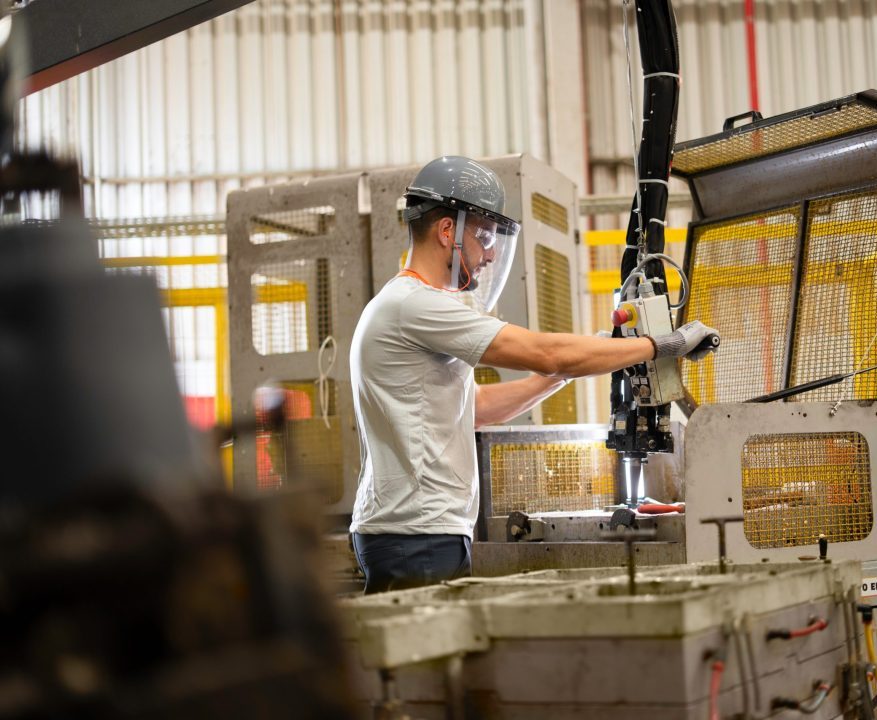
- Personal protective equipment (PPE): gloves, thermal boots, aprons and face shields against cuts and low temperatures;
- Adequate machines and tools: designed to reduce repetitive movements and injury risks;
- Controlled climate control systems: help maintain safe temperatures and reduce the impacts of intense cold.
Discover how Tecnotri can help your company
Thinking about meeting the requirements of NR 36, Tecnotri developed a rotomolded pallet line and ergonomic containers. The products specifically target the safety and well-being of employees, as well as the hygiene required by the refrigeration sector.
With appropriate dimensions, functions and textures, they promote comfort and practicality for professionals. Furthermore, Tecnotri pallets allow the packaging of goods in accordance with the standards recommended by the National Institute for Occupational Safety and Health (NIOSH), which created rigorous physiological, biomechanical and psychophysical criteria to define the correct height for lifting and depositing loads, avoiding inappropriate postures and movements of the trunk and upper limbs.
Tecnotri products are still sustainable, 100% recyclable, non-toxic and durable, ensuring the product can be reused for a long time. In this way, your company contributes not only to the health of its employees, but also to the environment.
Invest in Tecnotri products and stay within the law